

Hidden Risks in Insulation Component Supply Chain: Engineering Lessons Learned From a PPS Insulation Base Failure Case
Last year, we supplied custom PPS insulation bases to an overseas client for their motor control assemblies. The first production batch passed all validation tests smoothly. However, units from the second batch triggered a PCB short circuit at the client’s site, resulting in burnt electronic components.
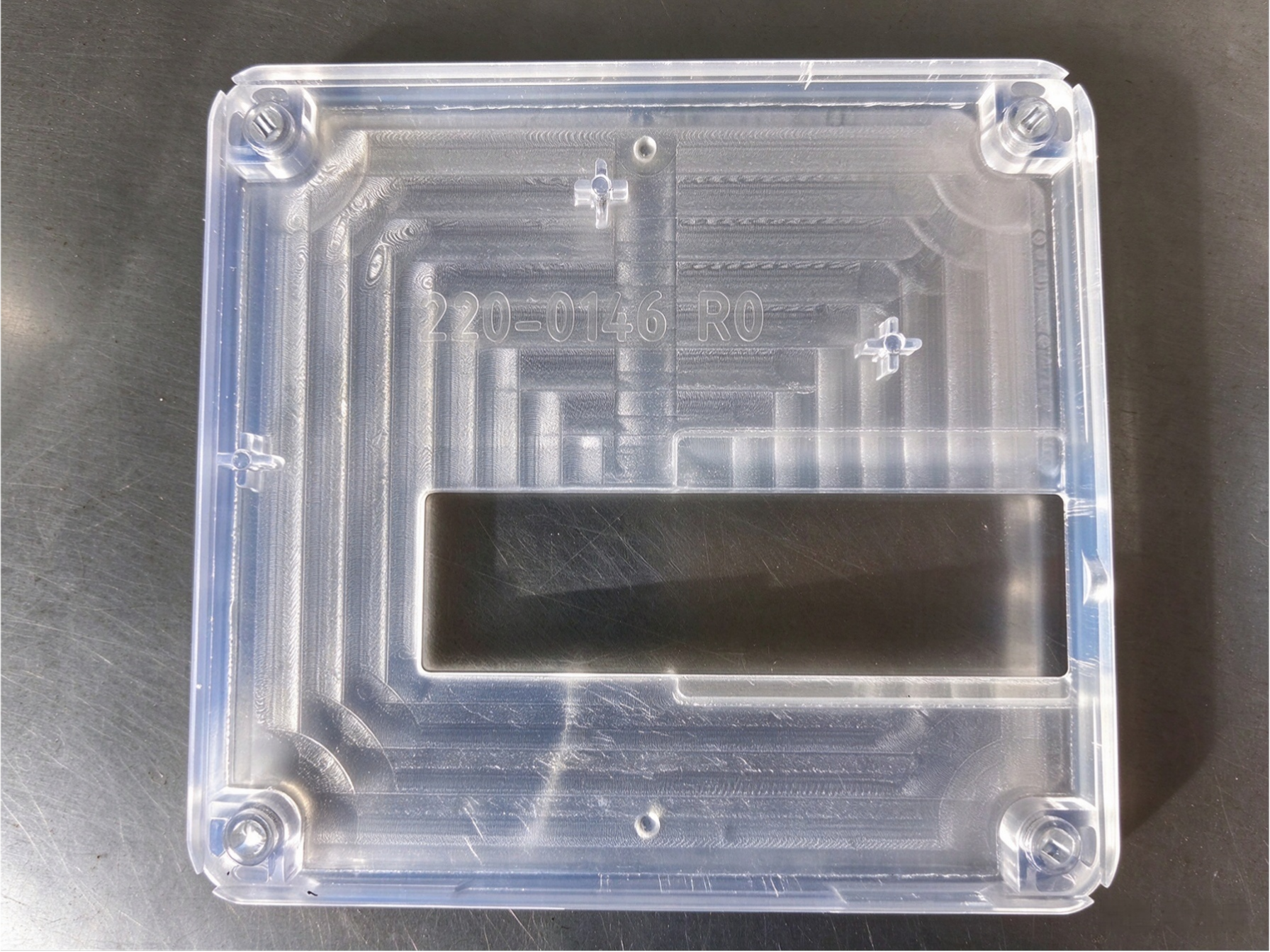
Custom PPS insulation base with complex internal geometry.
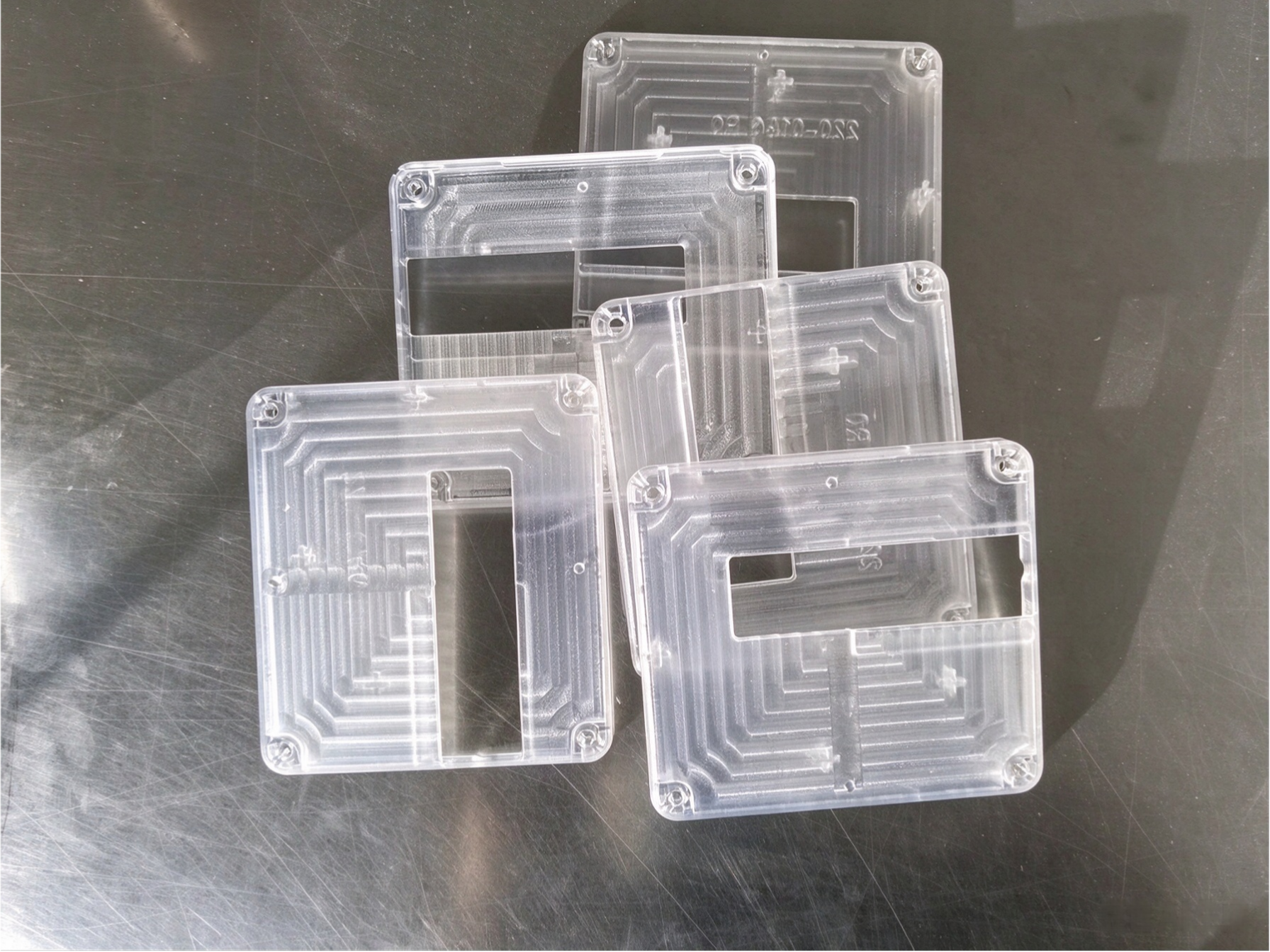
Batch production of transparent electronic enclosures.
Upon detection of the failure, our engineering team immediately launched a comprehensive root-cause investigation. Testing confirmed that the failure was not caused by incorrect selection of the PPS material grade. The core issue lay in missing specifications within the technical agreement.
During the initial technical review, both parties only confirmed mechanical and dimensional requirements: hardness, heat resistance, and geometry. Volume resistivity, a critical electrical property, was assumed to be inherently compliant and was not documented as a formal acceptance criterion. Minor batch-to-batch variation in the raw polymer compound from our material supplier reduced the volume resistivity below the safety threshold required for the client’s operating voltage, which ultimately caused insulation breakdown.
Adhering to our zero-excuse quality policy, we did not cite the absence of this clause in the contract to evade responsibility. We rapidly sourced certified electrical-grade PPS compound for remanufacturing, replaced the entire order free of charge, and covered all air freight costs to minimise disruption to the client’s project timeline.
This incident was a costly engineering lesson: engineering drawings convey only part of the design intent. For electrical insulation components, performance assumptions and undocumented verbal agreements rank among the most frequent sources of supply chain risk.
We have since overhauled our DFM (Design for Manufacturability) review process. For every quotation involving insulating or electrical structural parts, regardless of whether electrical properties are marked on the drawing, our mandatory review checklist now includes volume resistivity, dielectric strength and comparative tracking index (CTI). We align these parameters with the end-use operating conditions upfront to proactively mitigate insulation risks.
At Feizhipan, our service extends far beyond quoting prices directly from drawings. When we receive your CAD files, we conduct a parallel review of implicit design risks and work with you to define unstated design boundaries. Where quality defects arise from our manufacturing process, we accept full accountability. This is the fundamental distinction between a conventional trading vendor and an engineering-focused supply chain partner.
Prevent Failures Before They Happen
Let our engineering team review your drawings for free. We will check for missing electrical, thermal, or mechanical parameters to ensure your project runs smoothly from the start.