EPDM vs Silicone vs NBR: Which Rubber Material Is Right for Your Sealing Application?
EPDM vs Silicone vs NBR: Which Rubber Material Is Right for Your Sealing Application?
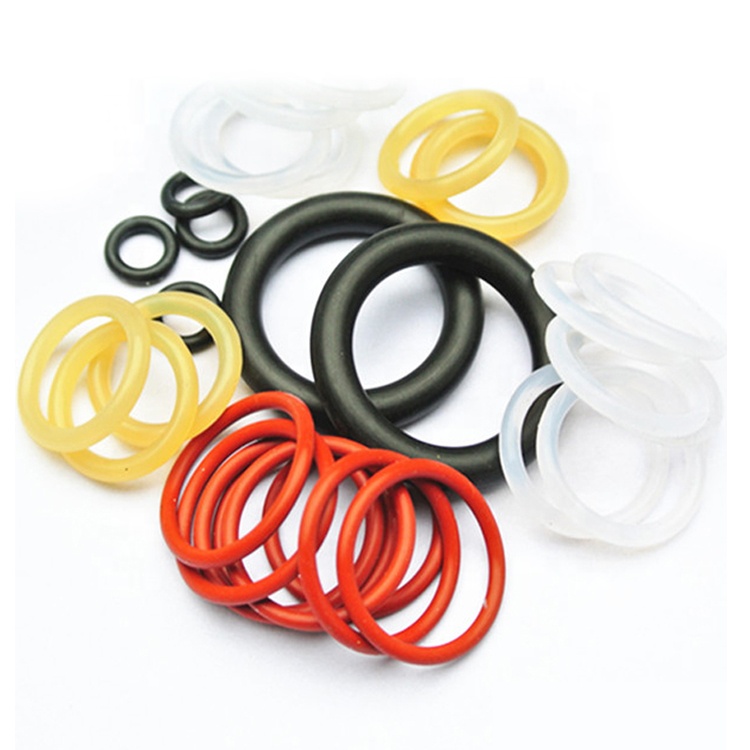
If you’ve ever had a seal swell, crack or leak after short service life, you know how tricky rubber selection can be. For most standard sealing jobs, three elastomers come up time and time again: EPDM, Silicone (VMQ), and NBR (Nitrile / Buna-N).
Instead of long blocks of text, I’ve structured this guide mostly in tables so you can quickly scan specs, strengths, weaknesses and use cases.
1. Basic Material Overview Table
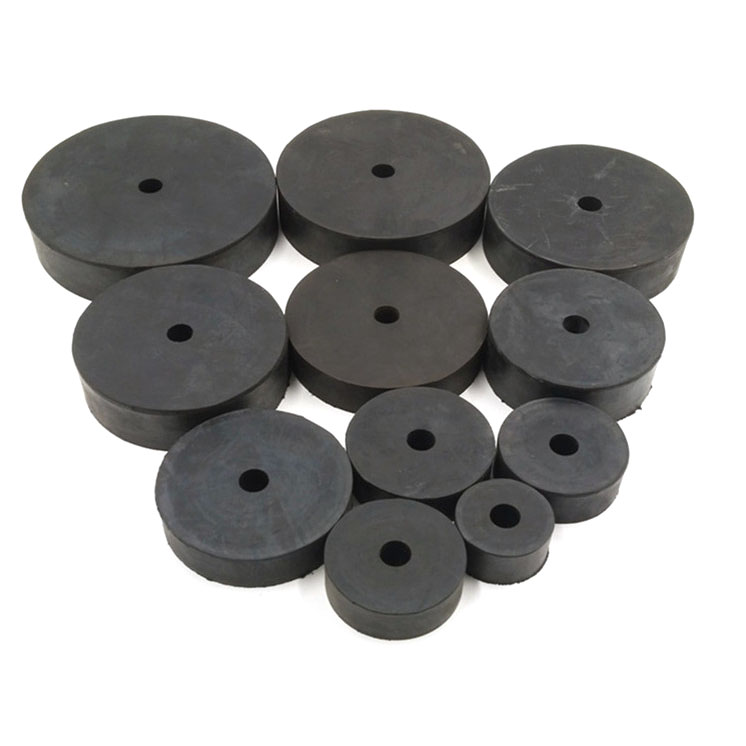
| Item |
EPDM |
Silicone (VMQ) |
NBR (Nitrile Butadiene Rubber / Buna-N) |
| Full chemical name |
Ethylene Propylene Diene Monomer |
Polysiloxane (VMQ) |
Nitrile Butadiene Rubber |
| Polymer backbone |
Saturated carbon chain (ethylene + propylene + diene) |
Inorganic silicon‑oxygen backbone |
Unsaturated carbon chain (butadiene + acrylonitrile copolymer) |
| Key structural feature |
Almost no reactive double bonds |
Si-O bonds, highly thermally stable |
Acrylonitrile (ACN) groups provide oil resistance; performance changes with ACN content |
| Core positioning |
Weather & water-resistant general-purpose rubber |
Extreme temperature, food & medical static seal rubber |
Low-cost oil-resistant workhorse rubber |
| Typical colour |
Black (most common); custom coloured |
Translucent, white, red, black |
Black (standard) |
2. Temperature & Environmental Resistance Table
| Performance Metric |
EPDM |
Silicone (VMQ) |
NBR |
| Continuous operating temperature |
-40°C ~ 125°C; peroxide-cured grade up to 150°C |
-60°C ~ 200°C |
-30°C ~ 120°C |
| Short peak temperature |
160°C |
230°C |
135°C |
| UV / ozone resistance |
Excellent |
Excellent |
Poor |
| Outdoor weather aging |
Excellent |
Excellent |
Poor; cracks fast under sun/ozone without special additives |
| Hot water & steam |
Very good |
Moderate |
Fair |
| Mineral oil, hydraulic oil, grease |
Poor – severe swelling |
Poor – severe swelling |
Excellent |
| Gasoline / diesel fuel |
Poor |
Poor |
Good to excellent (depends on ACN %) |
| Dilute acids & alkalis |
Very good |
Good |
Moderate |
| Polar solvents (ketones, esters) |
Good |
Poor |
Poor |
3. Mechanical & Physical Properties Table
| Property |
EPDM |
Silicone (VMQ) |
NBR |
| Tensile strength |
Good |
Low |
Very good |
| Tear resistance |
Good |
Low |
Very good |
| Abrasion / wear resistance |
Good |
Poor |
Excellent |
| Compression set |
Good (peroxide cured best) |
Moderate |
Good |
| Dynamic sealing suitability |
Moderate |
Not recommended |
Excellent |
| Static sealing suitability |
Excellent |
Excellent |
Very good |
| Electrical insulation |
Excellent |
Excellent |
Fair |
4. Suitable & Unsuitable Applications Table
| Category |
EPDM |
Silicone (VMQ) |
NBR |
| ✅ Best applications |
Automotive weatherstrip, radiator/glycol seals, HVAC gaskets, outdoor electrical enclosures, solar gaskets, hot water/steam seals, roof sealing |
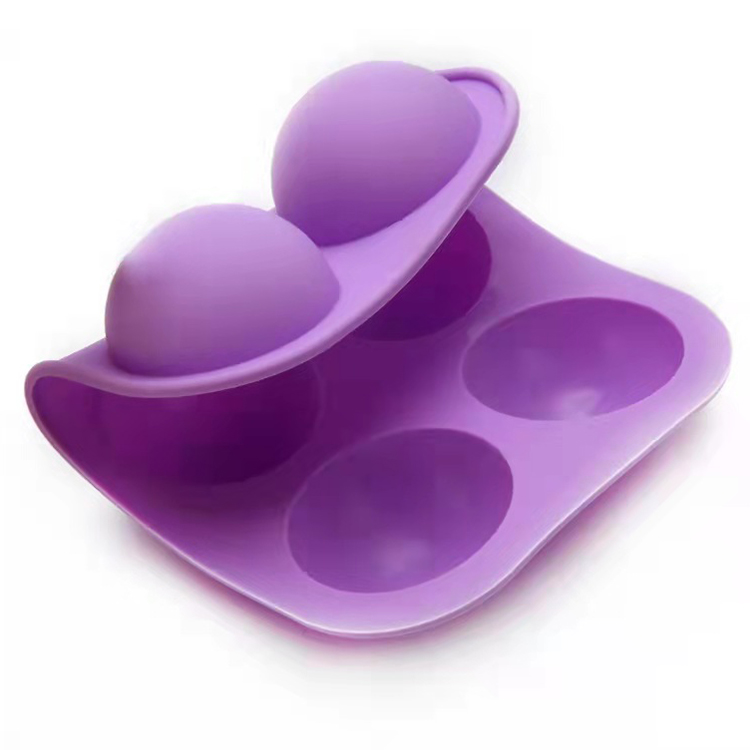
Food & beverage gaskets, oven/appliance seals, medical components, cryogenic static seals, high-temperature air seals, vacuum static seals |
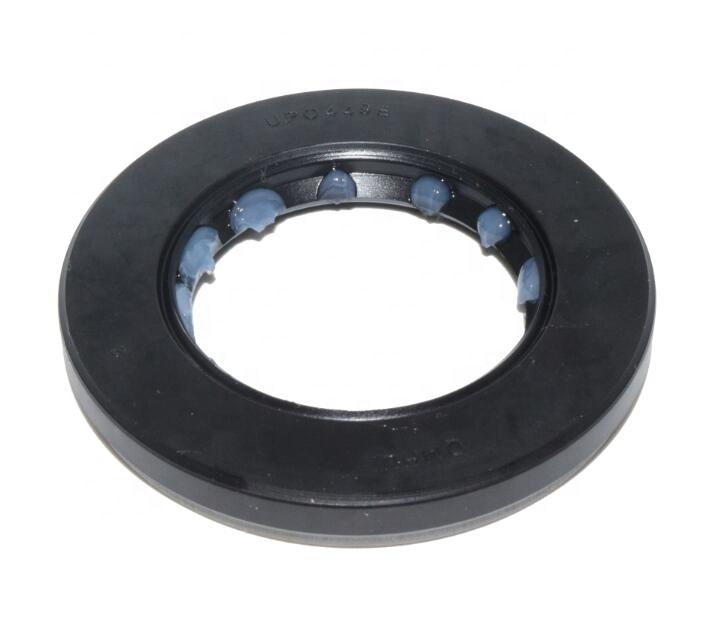
Hydraulic O-rings, oil lip seals, engine/grease seals, fuel transfer gaskets, pump & valve dynamic seals, low-cost industrial OEM seals |
| ❌ Avoid these scenarios |
Any continuous contact with oil, fuel, hydrocarbon lubricants |
High-friction moving seals, rotary shaft seals, oil circuits, heavy abrasion environments |
Long-term outdoor exposure, ozone-rich environments, continuous hot steam, ketones & ester solvents |
| ✅ Available special grades |
Peroxide-cured, low compression set, black/coloured |
FDA food grade, USP Class VI, low volatile, high-temperature |
Low ACN (cold-resistant), high ACN (super oil-resistant) |
5. Cost & Compliance Summary Table
| Comparison |
EPDM |
Silicone (VMQ) |
NBR |
| Relative raw material cost |
Low |
Medium to high |
Low |
| General availability |
Very widely stocked |
Common, but more expensive |
The most stocked O-ring material globally |
| Food contact certification |
Limited options |
Wide range of certified grades |
Limited food-grade options |
| Medical grade |
Rare |
Standard offering |
Rare |
6. Quick Decision-Making Table (Cheat Sheet for Engineers)
| Your working condition |
First choice |
Notes |
| Sealing oil, hydraulic fluid or grease |
NBR |
Best for dynamic oil seals |
| Exposed outdoors, sun, ozone, sealing water / glycol / steam |
EPDM |
Never use for oil |
| Static seal, extreme heat or cold, food/medical requirement, no oil |
Silicone |
Not for moving friction surfaces |
| Budget-sensitive oil sealing |
NBR |
Check if outdoor exposure exists |
| Long-term outdoor static sealing, no oil |
EPDM |
Cheaper than silicone |
7. Frequently Asked Questions
| Question |
Answer |
| Can EPDM be used for oil sealing? |
No. EPDM has poor resistance to mineral oil, hydraulic oil and hydrocarbon fuels. It will swell, soften and lose sealing performance quickly. |
| Is silicone rubber good for dynamic shaft seals? |
Generally not recommended. Silicone has low tear strength and poor abrasion resistance. It works best for static sealing applications. |
| What is the difference between high ACN and low ACN NBR? |
Higher ACN content delivers better oil and fuel resistance, while lower ACN improves low-temperature flexibility. |
| Which rubber lasts the longest outdoors under sunlight? |
EPDM and silicone both have excellent UV and ozone resistance. NBR will crack rapidly under outdoor exposure without special protection. |
| Can NBR resist hot steam? |
Only fair resistance. For steam and hot water sealing, EPDM is the better option. |
| Which material is food safe? |
Silicone has the widest selection of FDA and food-contact approved grades. EPDM and NBR food-grade options are limited. |
| What if my application needs both oil resistance and ozone resistance? |
Standard EPDM, silicone and NBR cannot meet this requirement. You need to consider HNBR or FKM (Viton). |
Tables make comparison fast, but every sealing project has edge cases. If your working conditions combine high temperature + oil + ozone, these three standard rubbers may not be enough — you would need HNBR or FKM instead.
If you share your media, temperature, static/dynamic movement and hardness requirement, we can recommend the exact rubber grade for your gasket or O-ring.
📧 Contact us: pengfei_liu@feizhipan.com
🌐 Visit us: feizhipan.com